Seeing this week’s theme, ‘My Favorite Movie,’ posted in the storytelling room suddenly reminded me of Jin Yong, a film I first saw in middle school. I have not watched it once since my twenties, perhaps overwhelmed by reality’s weight, but after first encountering it in middle school I returned to it often. Arriving as if by fate during those sensitive adolescent years, it was more than a film to pass the time. It was a kind of textbook that taught me the meaning of love.
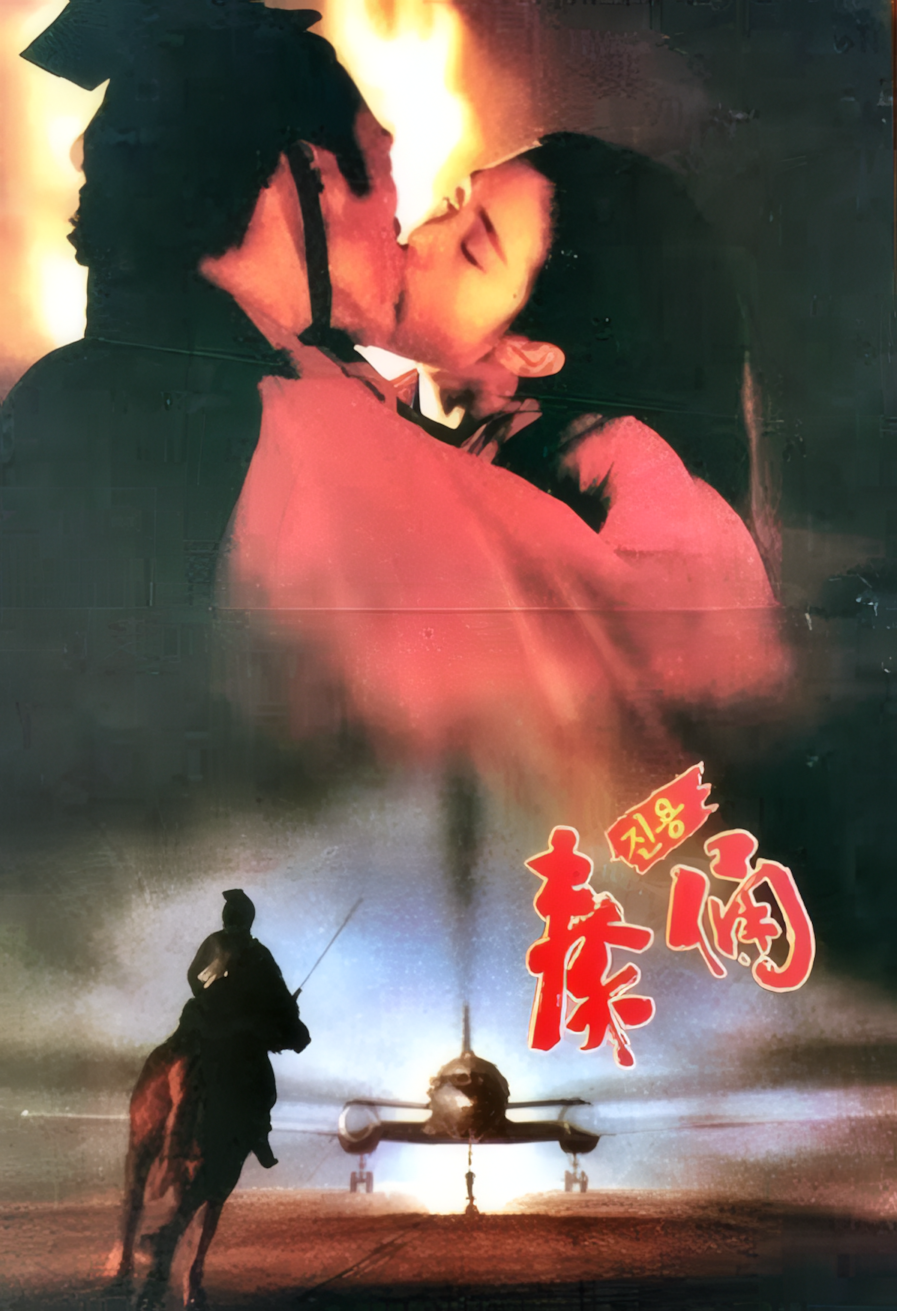
🔥 The Immortal Question: What Is Love?
My memory of the place where I watched it has faded. Was it the humid air of a video rental shop, or a small room at a friend’s house? Yet above that blurred address in memory, one thing remains clear: all the love, longing and endless yearning for someone in my life began before that screen.
What is love, after all? How can one person’s heart survive thousands of years so vividly? This was the first film to teach the boy I was the meaning of sensibility. It was also the first to give me a feeling beyond simply watching and enjoying: something stirring and growing hot deep in my chest.
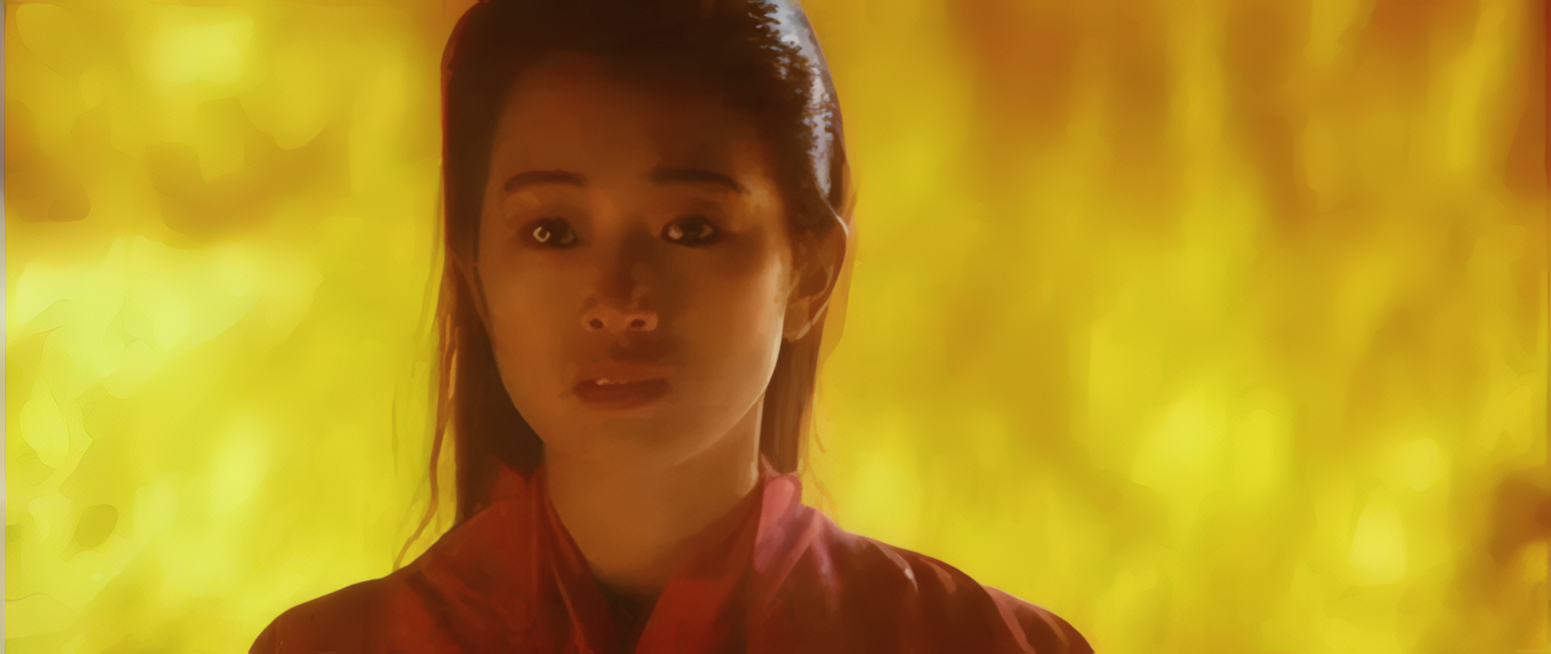
Whenever I saw the girl shining before the torches on screen, the lingering image of the girl I loved then naturally overlaid her in my mind. Qin Shi Huang’s ruthless ambition and the history of a vast empire were merely distant background. My gaze stayed on one thing alone: a love that would recognize its counterpart across immeasurable ages. Even as a child, I felt an overwhelming shiver in the exchange of their looks, which rendered even time powerless.
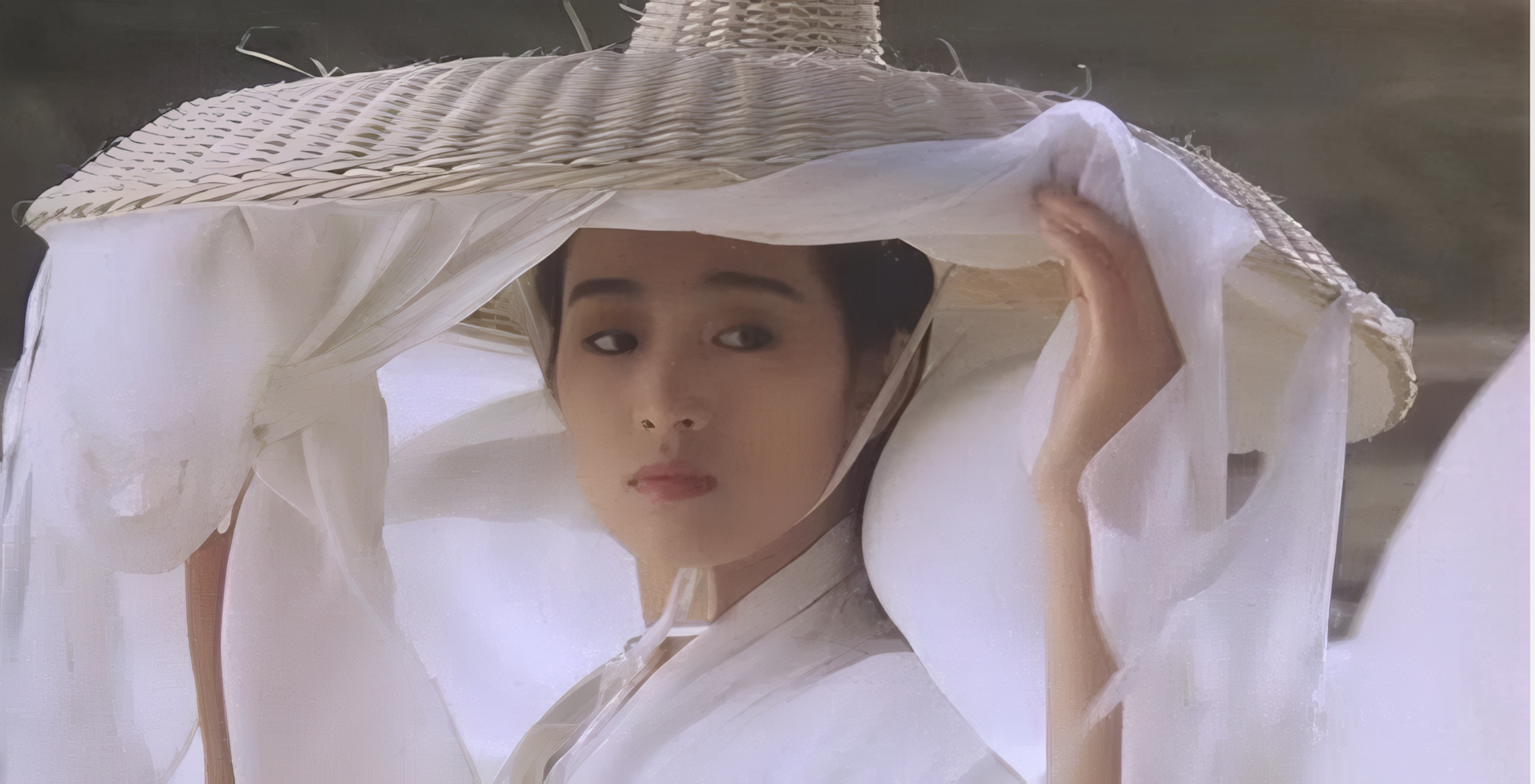
💊 A Flame Called a Promise
Their love, and the course of those feelings across thousands of years into modern times, left a deep mark on my heart for a very long time. There are many films with such themes now, but Jin Yong was the first true romance I ever encountered.
As Mong Cheon-bang sobbed at the sight of the heroine leaping into the flames, I think I, outside the screen, burned with my own awkward feelings for her. I believed love ought to stake one’s life like that, ought to be so strong that even death could not divide it.
To be honest, I no longer remember the detailed plot very well. But even if the story has evaporated, its emotional weight is lodged in the bones of my soul. That little pill passed through the flames was not a medicine begging for life, but a sorrowful promise: I will see you again, even if I must endure thousands of years of solitude.
That overwhelming will: even if a body molded from earth breaks and becomes dust, the soul will flow toward only one person. It would be no exaggeration to say that this single scene shaped my entire youthful understanding of love.
"Remember. Even when the body returns to dust,
my heart for you will stand here forever."
🗿 Waiting That Became Eternity
I dreamed of this kind of stubborn romance: not instant love that meets casually and parts easily, as today’s love so often seems to, but a weighty love that holds a bond once made until the universe ends. Despite the passage of time, one axis of my sensibility always touches the film’s cool atmosphere. The two people’s gazes in that old footage were enough. Beyond a simple memory, this film became a reference point for how I feel the world.
Like Mong Cheon-bang opening his eyes and brushing off the earth’s dust, I want this film to awaken again the most precious, forgotten fragment within me. As a hot heart still beat inside a clay figure hardened for thousands of years, I want to believe pure passion still breathes somewhere in my own heart, hardened by harsh reality.
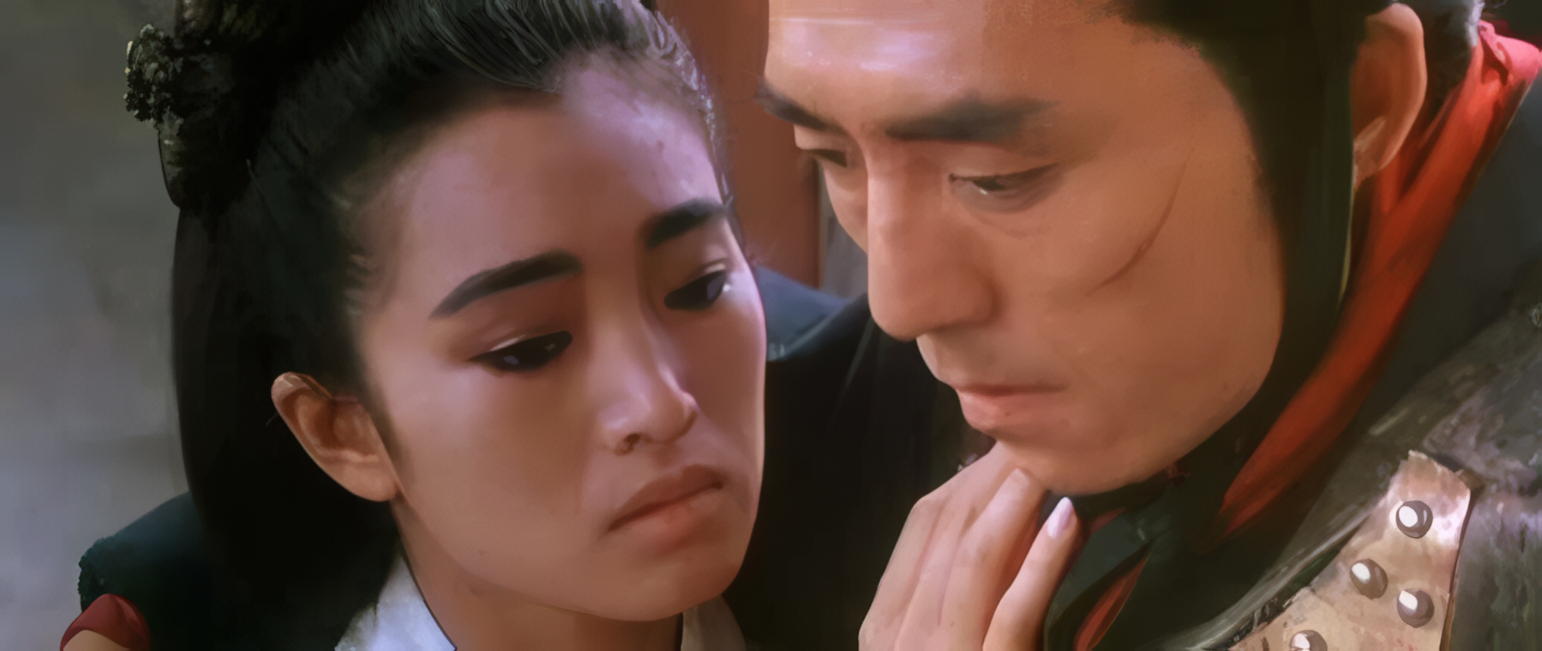
🎬 Returning to Who I Was Then
I intend to watch the film again after this long absence. I feel a little anticipation at returning to something I watched as a child. Stepping away from the noisy holiday bustle, I want to see whether the cool smell of earth and the warmth of burning torches remain. I will spend some time quietly looking for the pure sincerity preserved in that old film, wondering whether it is still safe, and where the heart of the boy who looked at her then still remains.
Like Mong Cheon-bang opening his eyes and brushing off the earth’s dust, I want this film to awaken again the most precious, forgotten fragment within me. Jin Yong is still my oldest and most peaceful emotional refuge, a place I return to and lie down whenever I want to believe in love.
If you want to feel the slightly unfashionable but still beautiful sensibility of that era, I recommend Jin Yong. Perhaps you, too, will meet your own forgotten Mong Cheon-bang—if you want to encounter again the memory of that passionate love from your most innocent days.