Based on a Medium article, this piece incorporates my own testing and has been adapted to a Korean context.
Use AI image tools long enough and eventually you hit a wall. However long the prompt, results look alike, and AI often simply ignores modifiers such as “beautiful” or “like a movie.”
The key past that wall is usually just one term: the precise name of a style.
“A woman in a forest” and “a woman in a forest, Alphonse Mucha style, golden-hour lighting, Art Nouveau aesthetics” produce entirely different results. The moment you add a painter, lighting technique, or art movement, AI draws on hundreds of thousands of references and converges in that direction.
I have organized 150 style modifiers whose effects I have tested in actual use into three categories: artists, lighting, and aesthetic movements.
Part 1. Artist styles — 50 artists
Adding an artist’s name is the strongest single prompt modifier. One name defines brushwork, palette, composition, and atmosphere all at once.
Classical and Renaissance
→ Leonardo da Vinci — Sfumato, soft transitions with dissolving edges, scientific detail
→ Rembrandt — Dramatic chiaroscuro, warm candlelight, rich shadows
→ Johannes Vermeer — Quiet interiors, pearl-like luminosity, soft natural light through windows
→ Caravaggio — Extreme contrast, theatrical darkness, raw realism
→ Hieronymus Bosch — Surreal hellscapes, dense symbolism, medieval fantasy
→ Albrecht Dürer — Precise engraving, sharp lines, meticulous Germanic detail
→ Botticelli — Graceful figures, mythic beauty, flowing curves
“Geunjeongjeon Hall at Gyeongbokgung Palace, Vermeer style, soft natural light through paper lattice windows, oil painting”
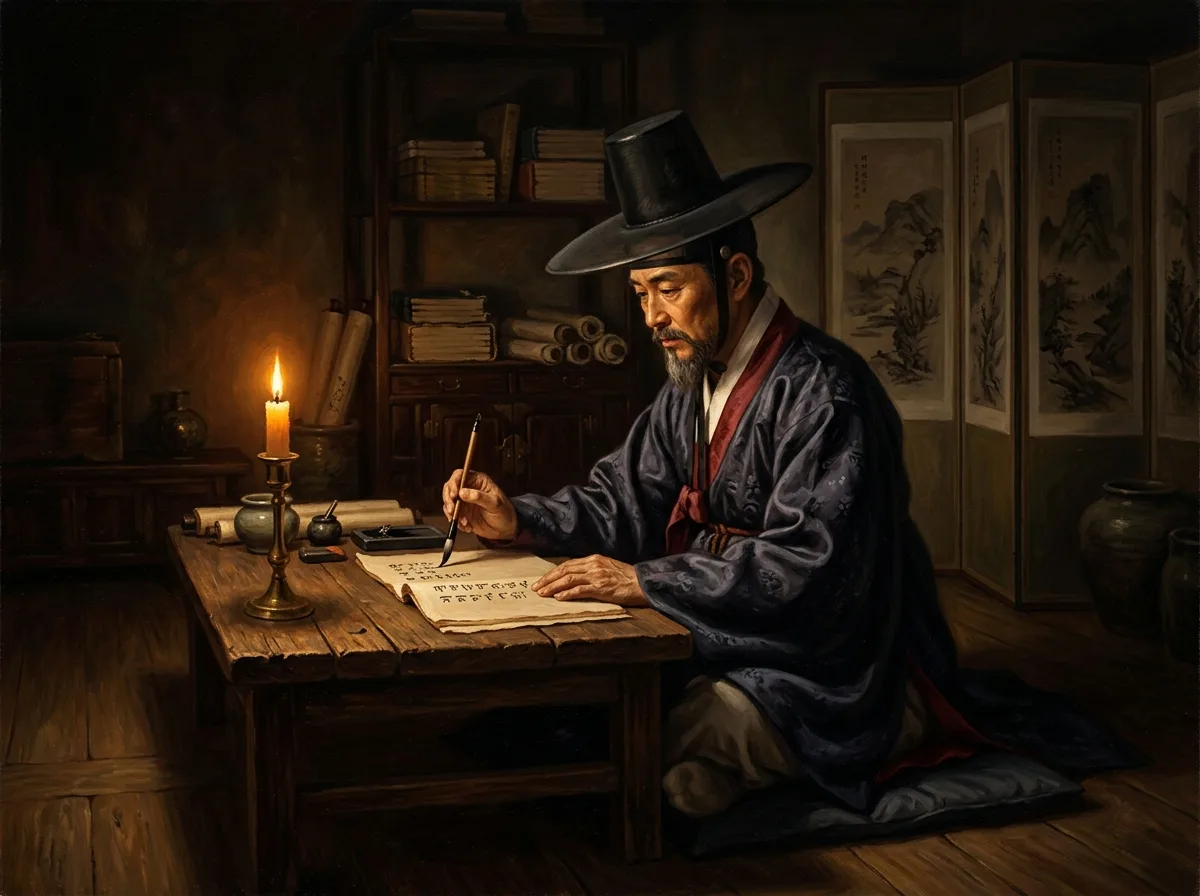 AI image in a classical Renaissance styleView original
Impressionism and Post-Impressionism
→ Claude Monet — Softly scattered light, hazy water surfaces, muted pastels
→ Vincent van Gogh — Swirling brushstrokes, electric color, emotional intensity
→ Paul Gauguin — Bold flat color fields, primitivist abstraction
→ Georges Seurat — Pointillist dots, still scenes, Sunday-afternoon calm
→ Edgar Degas — Unexpected angles, movement caught in a moment
→ Mary Cassatt — Intimate everyday life, pastel softness
“Hikers on an autumn foliage trail on Bukhansan, Monet Impressionist style, scattered autumn light, watercolor”
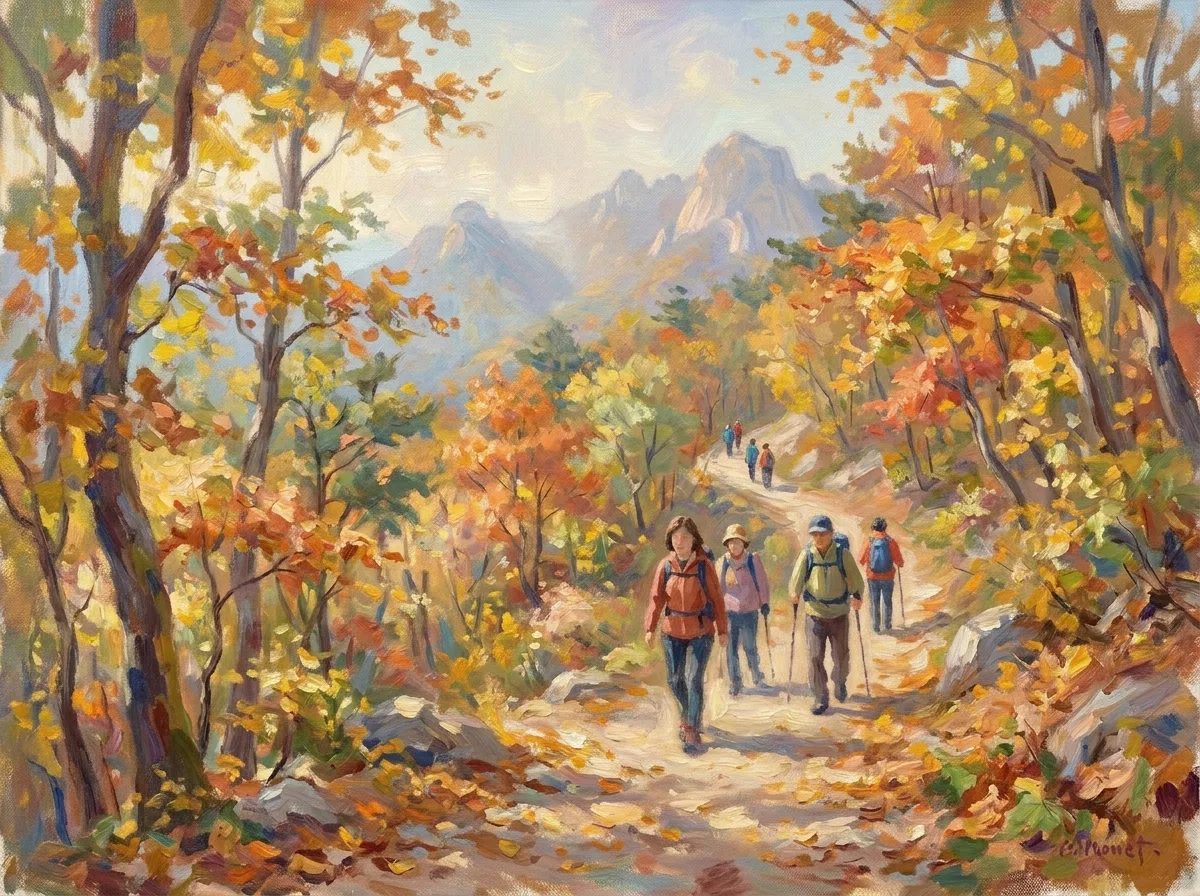 AI image in an Impressionist styleView original
Modern art
→ Pablo Picasso — Cubist fragmentation, multiple viewpoints, bold forms
→ Salvador Dalí — Hyperreal surrealism, melting objects, dream landscapes
→ Frida Kahlo — Symbolic self-portraits, vivid folk colors
→ Wassily Kandinsky — Spiritual abstraction, pure geometric color fields
→ Mark Rothko — Color-field meditation, luminous rectangles, emotion
→ Jackson Pollock — Drip painting, action gestures, layered textures
→ René Magritte — Photographic surrealism, impossible skies
→ Edward Hopper — American loneliness, sharp sunlight, cinematic atmosphere
“A convenience-store window at 4 a.m., Edward Hopper style, a lonely city flooded with fluorescent light”
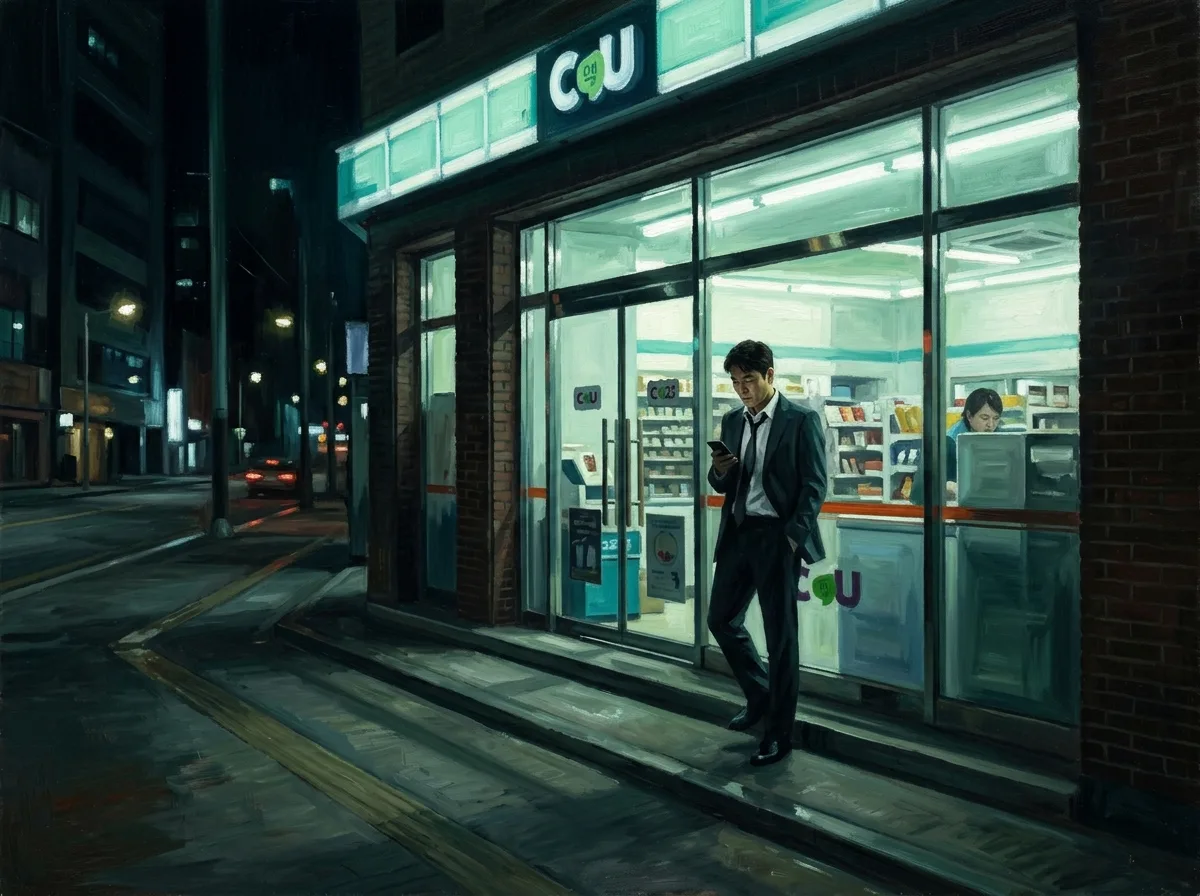 AI image in a modern-art styleView original
Illustration and concept art
→ Alphonse Mucha — Art Nouveau ornamental borders, flowing hair, golden light
→ Arthur Rackham — Gothic fairy tales, ink and watercolor, twisted trees
→ Frank Frazetta — Pulp fantasy, dynamic action, epic scale
→ John William Waterhouse — Pre-Raphaelite women, mythology, nature
→ Gustave Doré — Black-and-white engraving, biblical narrative, dramatic scale
“A woman in hanbok before Gwanghwamun Gate at Gyeongbokgung Palace, Alphonse Mucha style, golden hour, Art Nouveau ornamental borders”
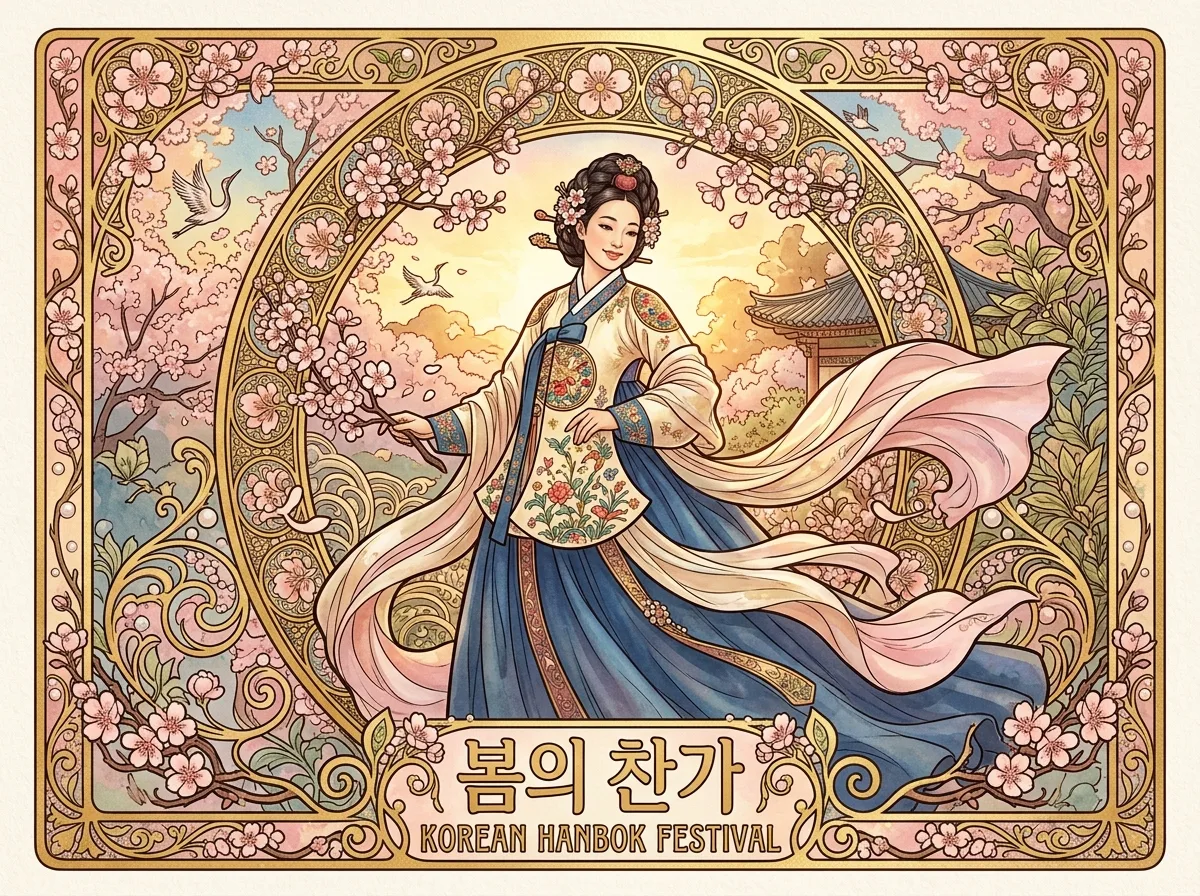 AI image in an illustration and concept-art styleView original
Contemporary and digital art
→ Yayoi Kusama — Polka dots, infinity mirrors, obsessive repetition
→ Takashi Murakami — Superflat anime pop, smiling flowers, flat primary colors
→ James Jean — Dreamlike illustration, organic flow, delicate lines
→ Loish — Digital painting, luminous skin, fantasy portraits
→ Greg Rutkowski — Epic fantasy landscapes, painterly light, cinematic atmosphere
→ Wlop — Ethereal fantasy, moonlit glow
→ Simon Stålenhag — Retrofuturism, lonely robots, science fiction
→ Moebius (Jean Giraud) — Clean crisp outlines, gentle science fiction, alien landscapes
→ H.R. Giger — Biomechanical alien horror, mechanical flesh
→ Hayao Miyazaki — Ghibli warmth, nature spirits, hand-drawn animation
→ Yoshitaka Amano — Final Fantasy delicacy, watercolor elegance, ethereality
→ Kentaro Miura — Berserk’s dense crosshatching, dark epic fantasy manga
“A woman standing atop Bugaksan, Yoshitaka Amano style, bioluminescent lighting, Studio Ghibli aesthetics”
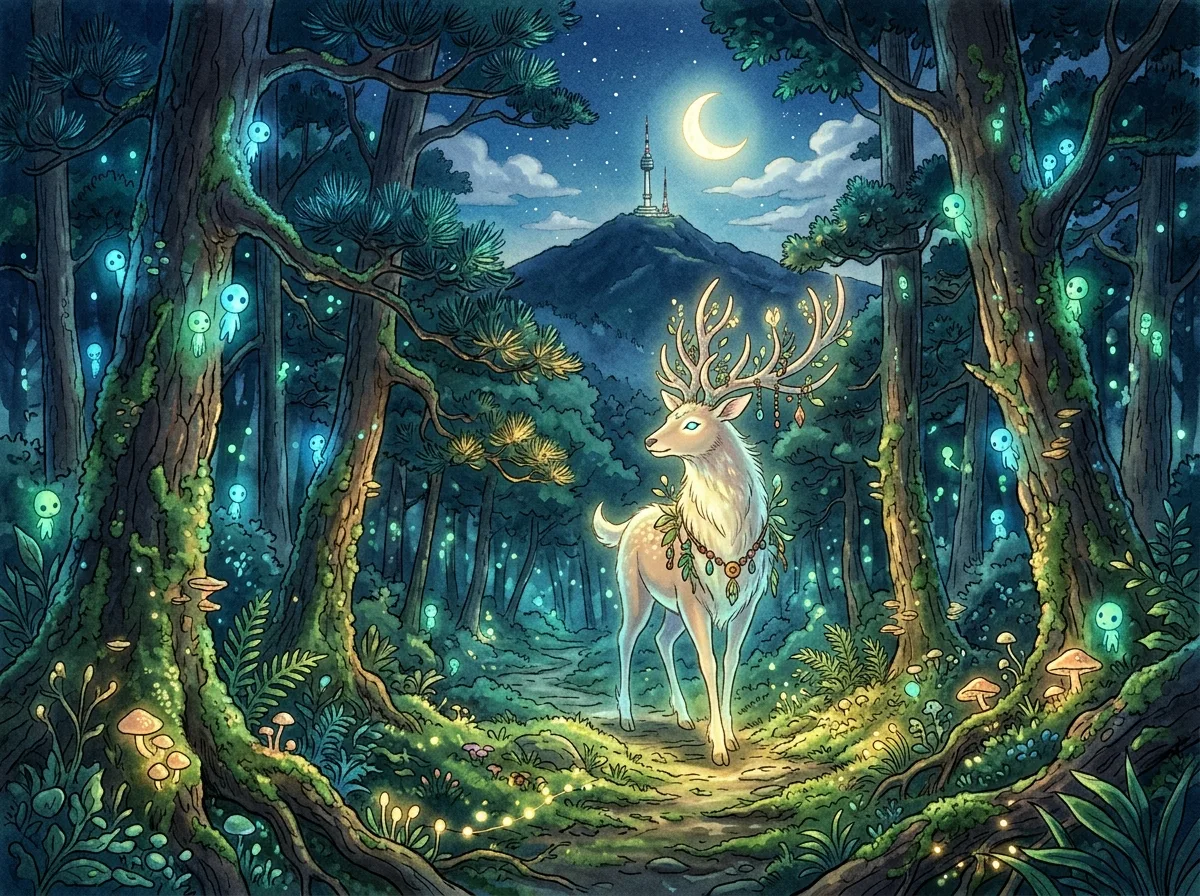 AI image in a contemporary digital-art styleView original
Part 2. Lighting styles — 40 types
Among single variables, lighting changes an image’s mood most strongly. The same subject can evoke an entirely different emotion through lighting alone.
Natural light
→ Golden hour — Warm amber tones, long shadows, cinematic warmth
→ Blue hour — Cool twilight, soft violet skies, quiet atmosphere
→ Magic hour — Just after sunrise or just before sunset
→ Overcast diffused light — Even and shadowless, muted and flat
→ Harsh midday sun — High contrast, black shadows, bleached highlights
→ Dappled light — Sunlight filtering through leaves, spotted patterns, dreaminess
→ Backlit / contre-jour — A silhouetted subject or a translucent glow
→ Rainy day light — Muted gray, reflective puddles, introspection
“The Secret Garden pond at Changdeokgung Palace, golden hour lighting, reflected autumn leaves, film grain”
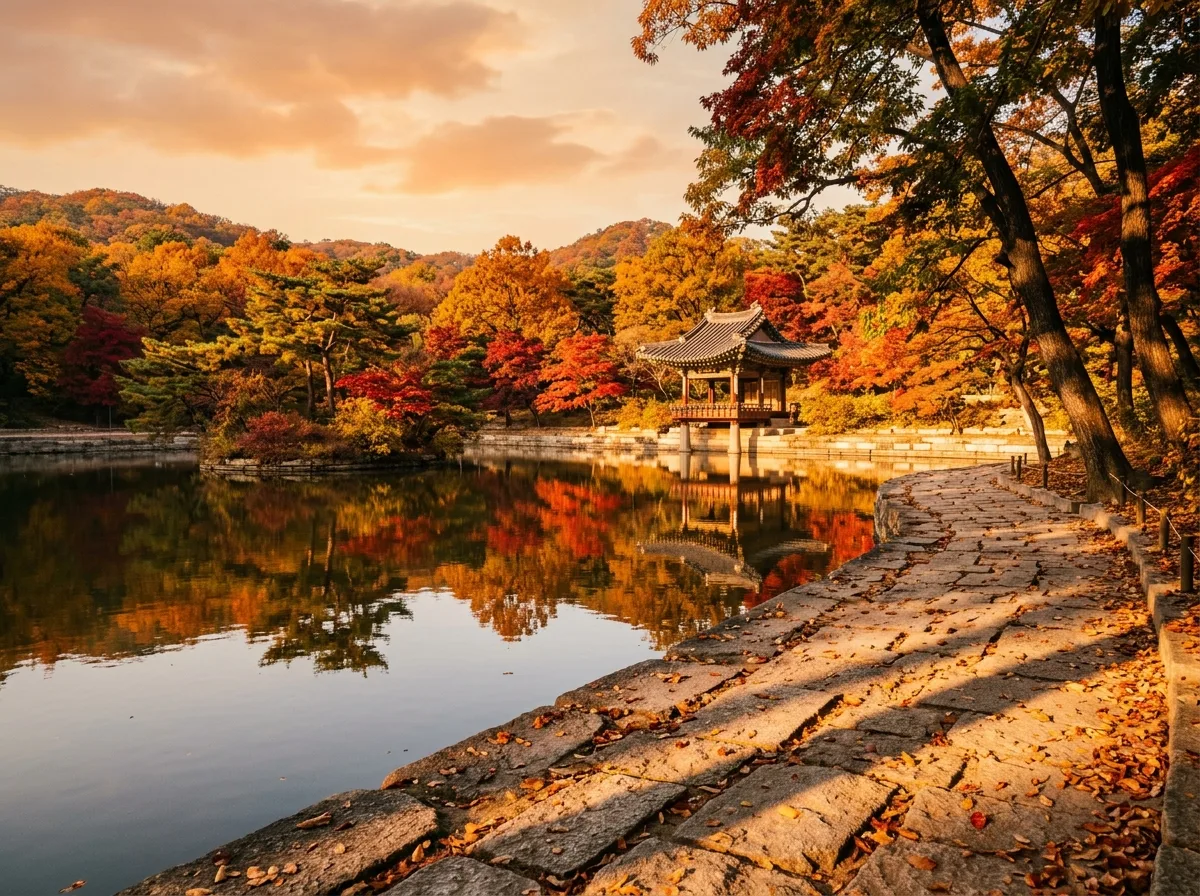 AI image in a natural-light styleView original
Studio and artificial light
→ Chiaroscuro — Extreme light-dark contrast, Renaissance drama
→ Rembrandt lighting — A triangular highlight on one side of the face, shadow on the other
→ Rim lighting — A contour of light wrapping the subject’s edge
→ Neon lighting — Electric-colored glow, cyberpunk atmosphere, pink, blue, and green
→ Bioluminescent lighting — Organic luminous elements, underwater fantasy
→ Candlelight — Warm flicker, intimacy, old-world atmosphere
→ Firelight — Orange warmth, dancing light, primal feeling
→ High key lighting — Very bright with minimal shadows, light and clean
→ Low key lighting — Predominantly dark with selective highlights, dramatic, noir
“A Korean jazz musician, Rembrandt three-point lighting, triangular highlight, candlelit club atmosphere”
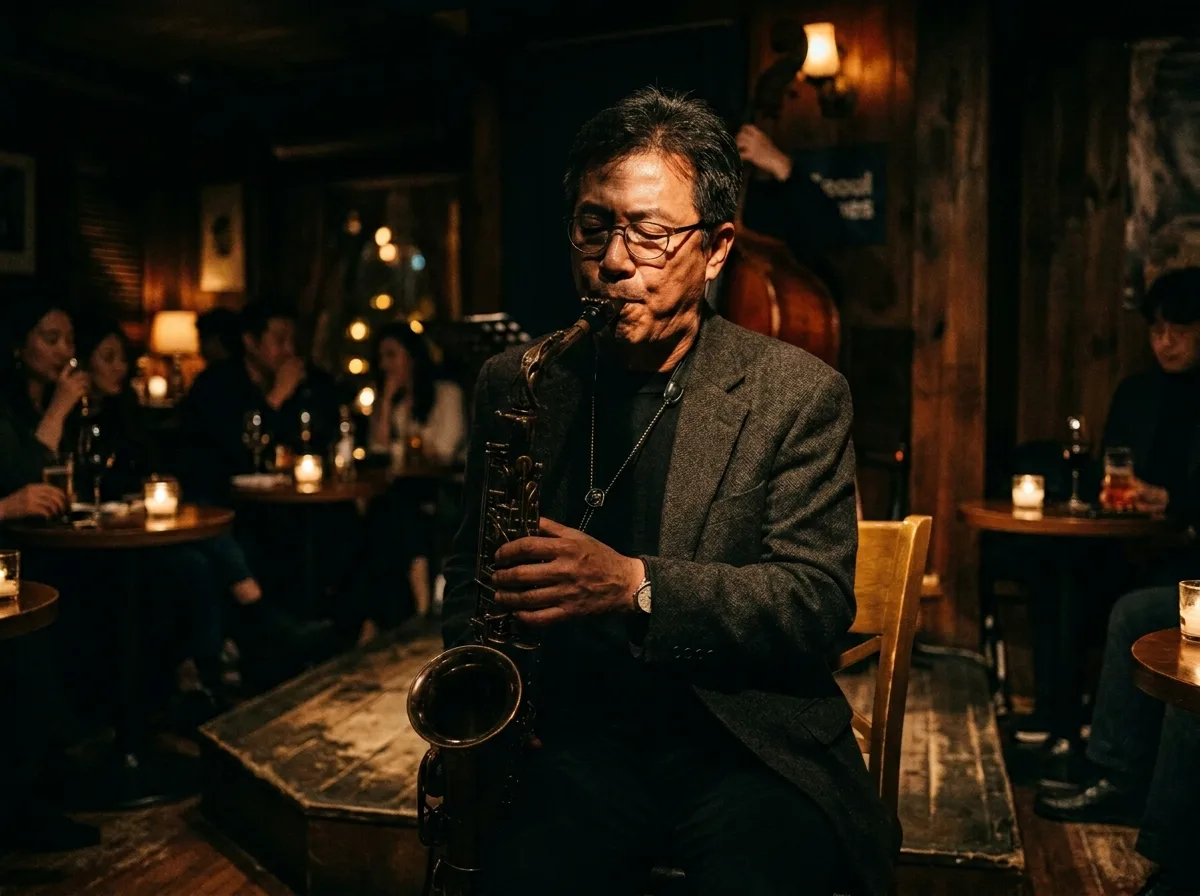 AI image in a studio and artificial-light styleView original
Cinematic and stylized lighting
→ Cinematic lighting — Hollywood-level directional drama
→ Noir lighting — Black and white, Venetian-blind shadows, crime drama
→ Volumetric lighting — Light shafts visible through atmosphere, god rays
→ God rays / crepuscular rays — Beams through clouds or trees
→ Lens flare — Optical artifacts, anamorphic streaks
→ Split lighting — Only half the face illuminated, an intense portrait
→ Moonlight — Cool blue-silver light, mysterious and romantic nights
→ UV / blacklight — Fluorescent glow, neon posters, club energy
→ Underwater caustics — Rippling refracted-light patterns, dreaminess
→ Ilford push film look — High-speed black-and-white film grain, documentary feel
“A Hongdae alley, neon lighting, volumetric light, cyberpunk Seoul in the rain”
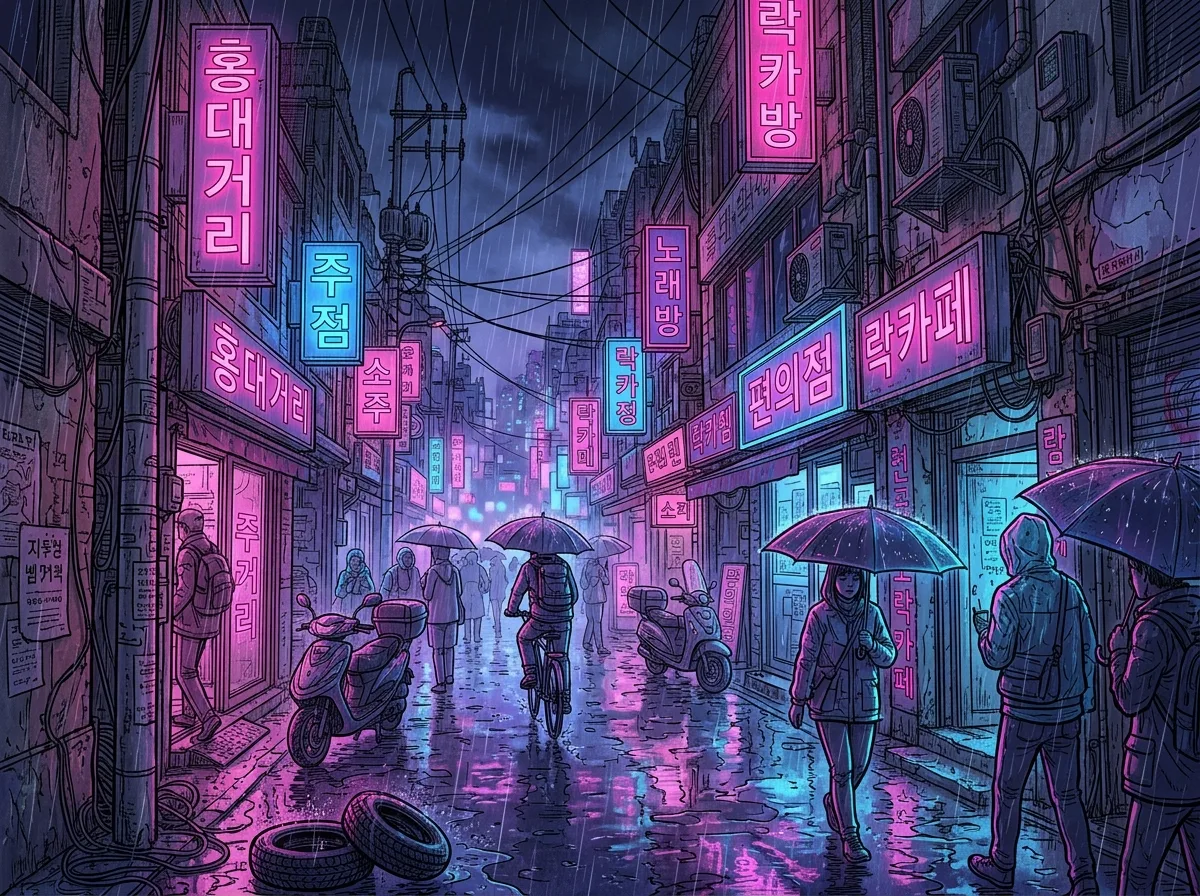 AI image in a cinematic-lighting styleView original
Part 3. Visual aesthetics and art movements — 60+ types
Beyond an individual painter or light source, specifying an entire art movement makes AI draw on that era’s whole aesthetic system.
Historical art movements
→ Baroque — Lavish drama, golden excess, ceiling murals, Catholic character
→ Rococo — Pastel playfulness, cherubs, aristocratic ornament
→ Neoclassicism — Greek and Roman ideals, clean lines, marble order
→ Romanticism — Wild nature, emotional sublimity, dramatic landscapes
→ Pre-Raphaelite — Medieval revival, natural detail, jewel-toned fabrics
→ Art Nouveau — Organic curves, floral motifs, ornamental gold, Mucha-like
→ Art Deco — Geometric elegance, chrome and black, 1920s glamour
→ Bauhaus — Functional design, primary colors, typography and geometry
→ Expressionism — Distorted emotion, German angst
→ Surrealism — Dreamlike juxtapositions, Freudian imagery, impossible logic
→ Constructivism — Soviet geometry, propaganda posters, red and black
“Dancheong-painted ceiling at Gyeongbokgung Palace, Baroque lavish drama, golden excess, dramatic upward view”
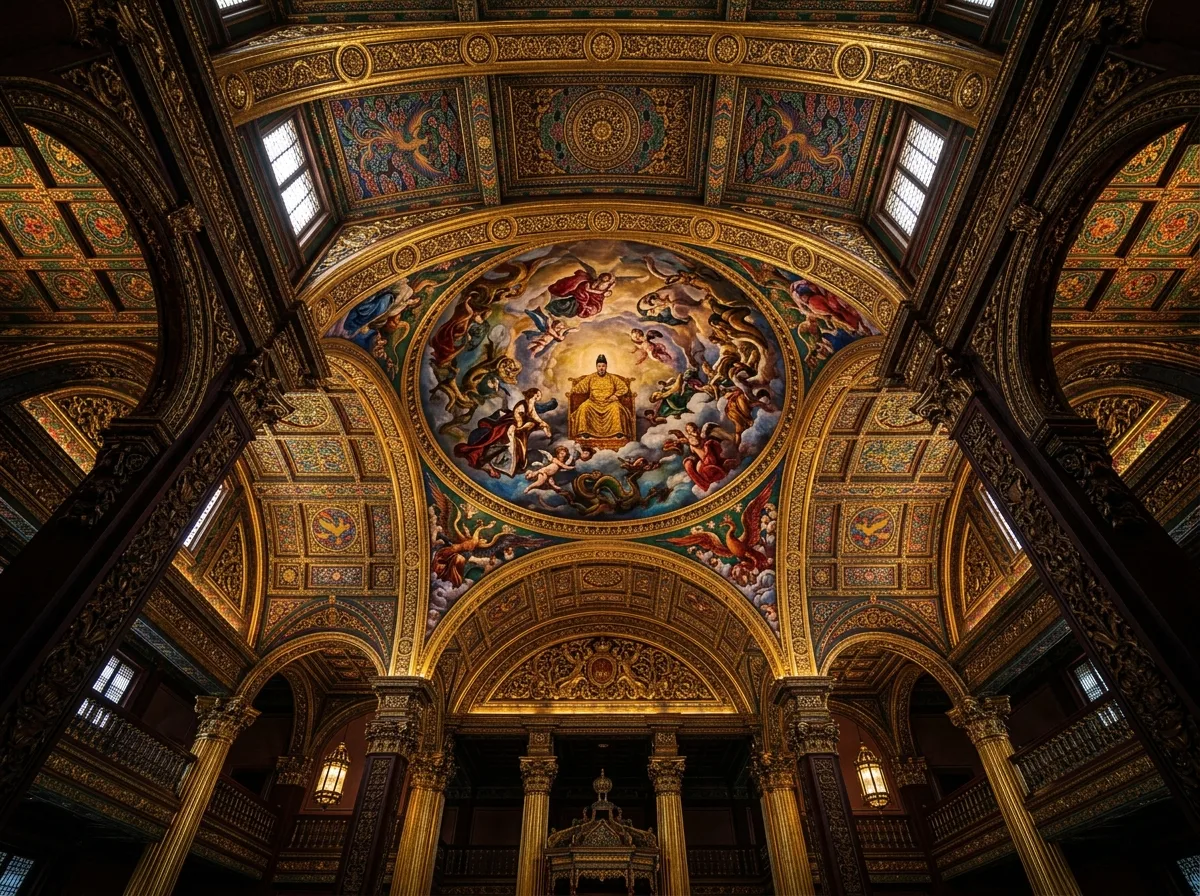 AI image in a historical art-movement styleView original
Photographic aesthetics
→ Film photography — Grain, color shifts, light leaks, analog warmth
→ Daguerreotype — Silver-plate portraits, old-world formality, aged texture
→ Polaroid — Square format, faded colors, white borders, nostalgia
→ 35mm grain — Visible grain, reportage feel, gritty documentary
→ Medium format — Extreme sharpness and creamy bokeh, fashion photography
→ Infrared photography — White leaves, black skies, surreal nature
→ Double exposure — Two blended images, poetic overlap
→ Long exposure — Light trails, silky water, motion blur
→ Lomography — Toy cameras, vivid saturated colors, vignetted edges
→ Cinestill 800T — Halation around highlights, tungsten night photography
“Seoul Station at 5 a.m., Cinestill 800T, tungsten streetlights, silhouettes of office workers returning home”
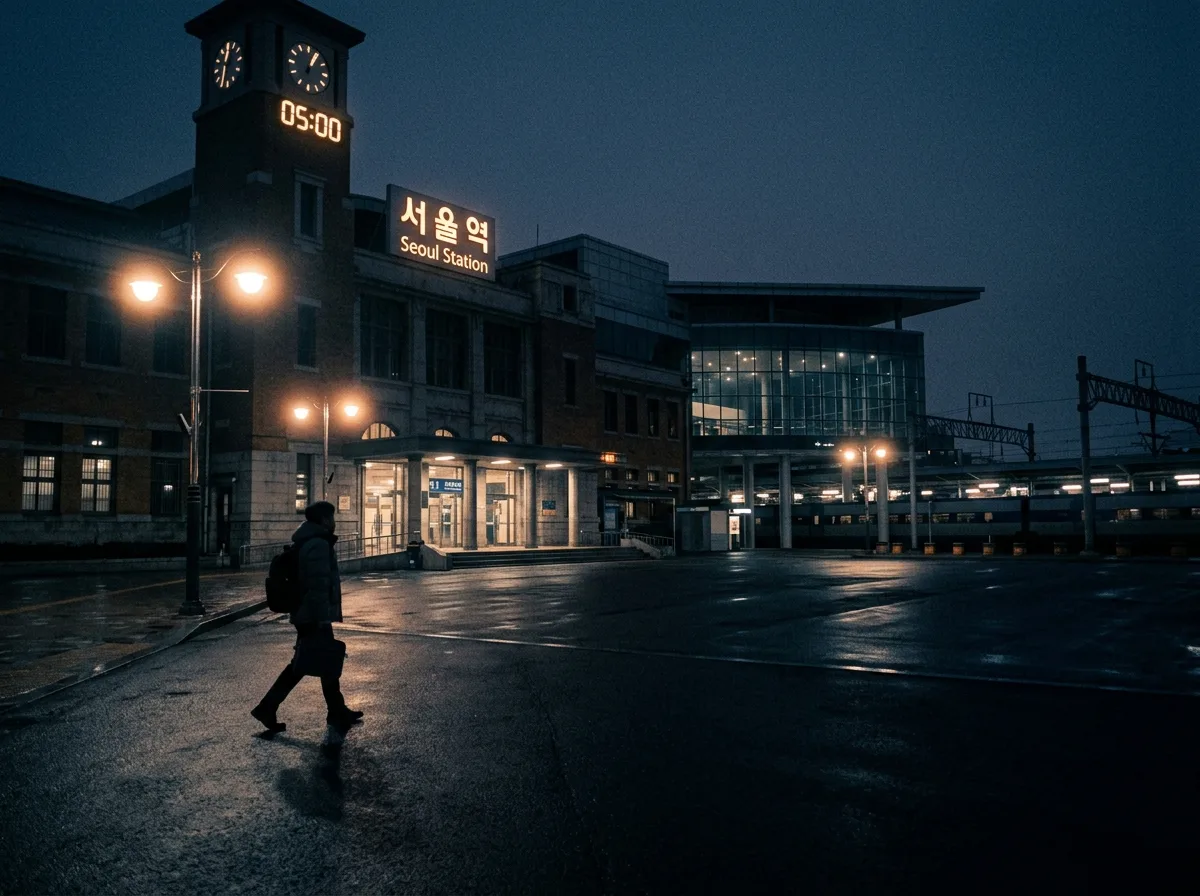 AI image in a photographic-aesthetic styleView original
Digital and contemporary aesthetics
→ Vaporwave — Pastel pink and purple, Greek busts, nostalgic 80s grids
→ Synthwave / retrowave — Neon sunsets, gridded horizons, Tron aesthetics
→ Lo-fi aesthetic — Warm grain, cozy illustration, study atmosphere
→ Glitch art — Pixel corruption, RGB shifts, VHS distortion
→ Pixel art — Retro game sprites, 8-bit or 16-bit
→ Dark academia — Candlelight, Gothic architecture, leather-bound books, sepia
→ Psychedelic art — Trippy colors, fractal patterns, 60s counterculture
“Yonsei University library at night, dark academia aesthetics, candlelight, Gothic ceilings”
Genre and subculture aesthetics
→ Cyberpunk — Rainy neon cities, augmented humanity, corporate dystopia
→ Steampunk — Victorian brass and gears, airships, sepia inventions
→ Solarpunk — Green utopia, organic architecture, bright hope
→ Cottagecore — Wildflowers, mushrooms, linen aprons, pastoral ideals
→ Witchcore — Cauldrons, candles, botanical illustrations, spellbooks
→ Dreamcore — Strange liminal spaces, nostalgic dread, soft unreality
→ Liminal spaces — Empty pools, fluorescent corridors, eerie non-places
“A Seoul subway station under construction at night, liminal space aesthetics, fluorescent lights, an empty platform”
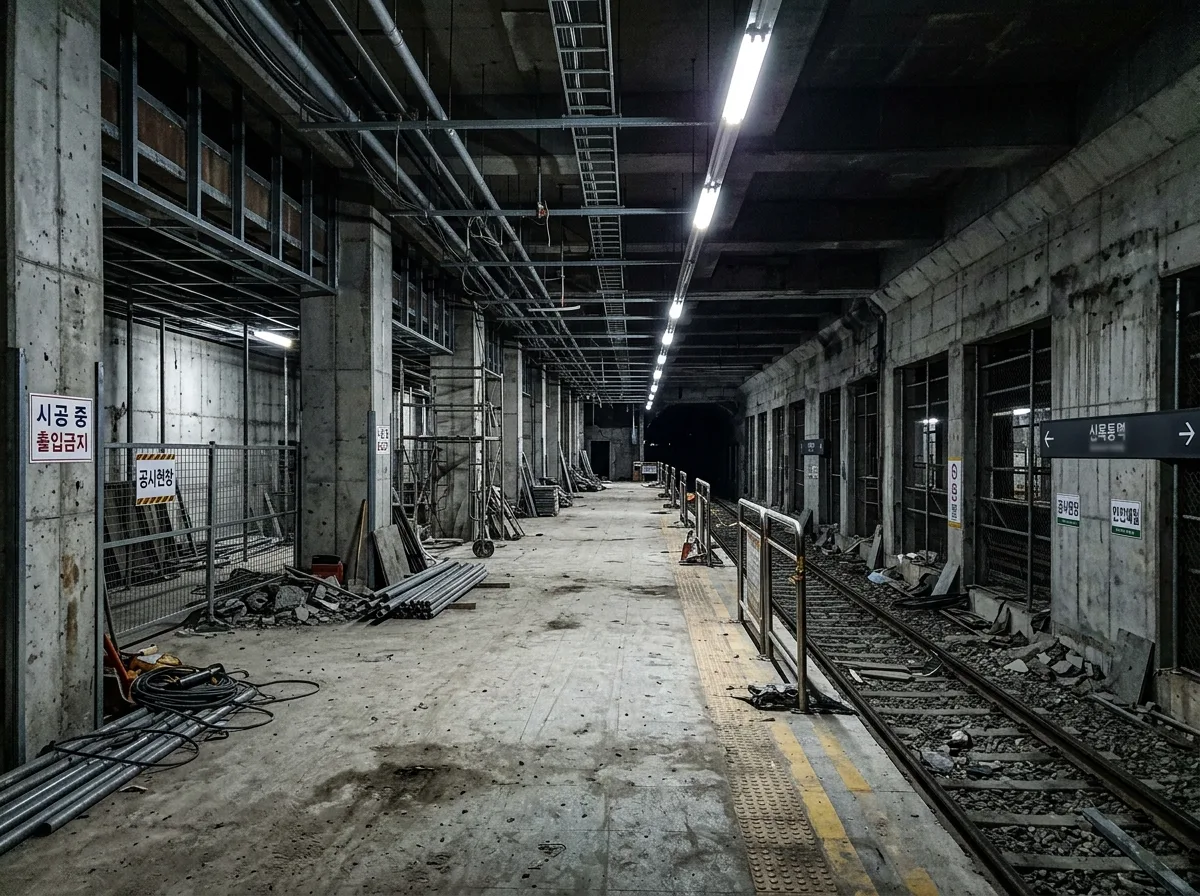 AI image in a genre and subculture aestheticView original
Illustration and rendering styles
→ Watercolor illustration — Translucent color washes with white paper showing through
→ Gouache illustration — Opaque matte color, flat and graphic, poster-like
→ Ink wash / sumi-e — Japanese ink painting, minimalist brushstrokes, Zen
→ Pen and ink — Crosshatching, stippling, detailed line drawing
→ Charcoal sketch — Smudged gray tones, dramatic gestures, raw feeling
→ Linocut / woodblock — Printed texture, bold graphics, limited colors
→ Comic book style — Heavy outlines, halftone shading, action energy
→ Manga style — Expressive eyes, speed lines, Japanese panel aesthetics
→ Ukiyo-e — Japanese woodblock prints, flat colors, bold outlines, Hokusai waves
“A woman in hanbok and the moon, ukiyo-e woodblock style, flat color fields, a Korean folk-painting feel”
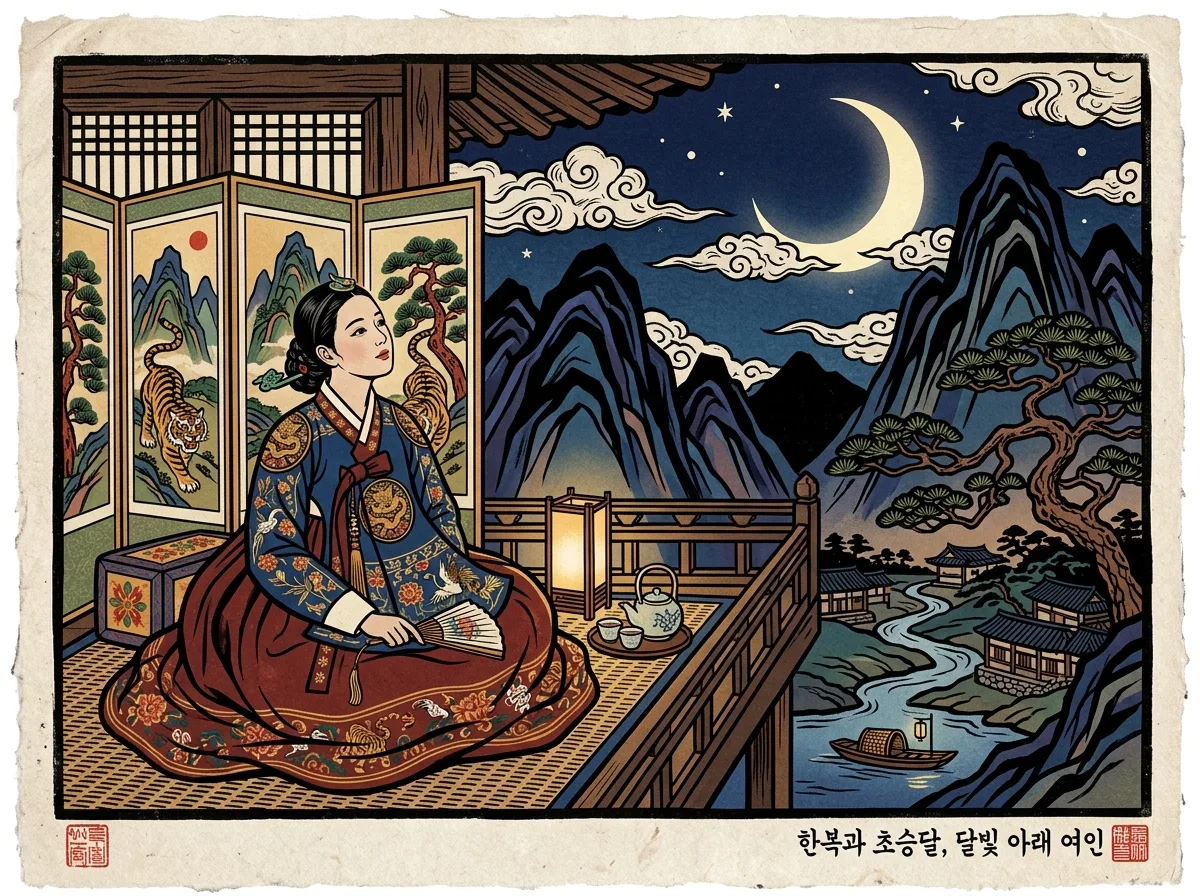 AI image in an illustration and rendering styleView original
The style-combination formula
The real magic happens when several modifiers are layered.
Basic formula:
[Subject] + [Artist style] + [Lighting] + [Aesthetics] + [Medium]
Four Korean-context examples:
1. A lonely Seoul dawn
An office worker sitting alone outside a convenience store in Gangnam at 3 a.m., Edward Hopper style,
fluorescent low key lighting, urban loneliness aesthetic,
Cinestill 800T film, digital painting
2. Bugaksan fantasy
A woman standing atop Bugaksan, Yoshitaka Amano style,
bioluminescent lighting, Studio Ghibli aesthetics,
watercolor illustration, moonlight glowing
3. Hongdae cyberpunk
A Hongdae alley on a rainy night, Moebius clean line art style,
neon lighting + volumetric light, cyberpunk aesthetic,
mixed-media ink and watercolor
4. Gyeongbokgung Art Nouveau
A woman in hanbok before Gwanghwamun Gate at Gyeongbokgung Palace, Alphonse Mucha style,
golden hour lighting, Art Nouveau aesthetics,
ornamental borders and gold-leaf details, digital painting
Tips for using prompt modifiers
Start with an artist. An artist’s name carries more visual information per word than any other modifier. Lighting then refines the mood on top of it.
Less is better. Two or three modifiers often work better than ten. AI needs room to interpret.
Specificity beats vagueness. “Rembrandt lighting” is better than “dramatic lighting,” and “Ukiyo-e” is far more precise than “Japanese style.”
Test an aesthetic on its own first. Enter only “vaporwave aesthetic” or “dark academia,” without a subject, and see what AI produces by default. Layering the subject afterward is much more stable.
Try unexpected combinations. Seemingly incompatible pairings such as “Baroque composition, cyberpunk lighting” or “cottagecore aesthetics, sumi-e style” can produce more original results.
Always specify the medium. Oil painting, watercolor, digital art, photography: that one term determines the entire texture of the output.
Learning the language of style is like learning a new language. It feels unfamiliar at first, but a few key terms completely change the quality of the conversation with AI. Pick the painter’s name that attracts you most today and add it to a prompt.