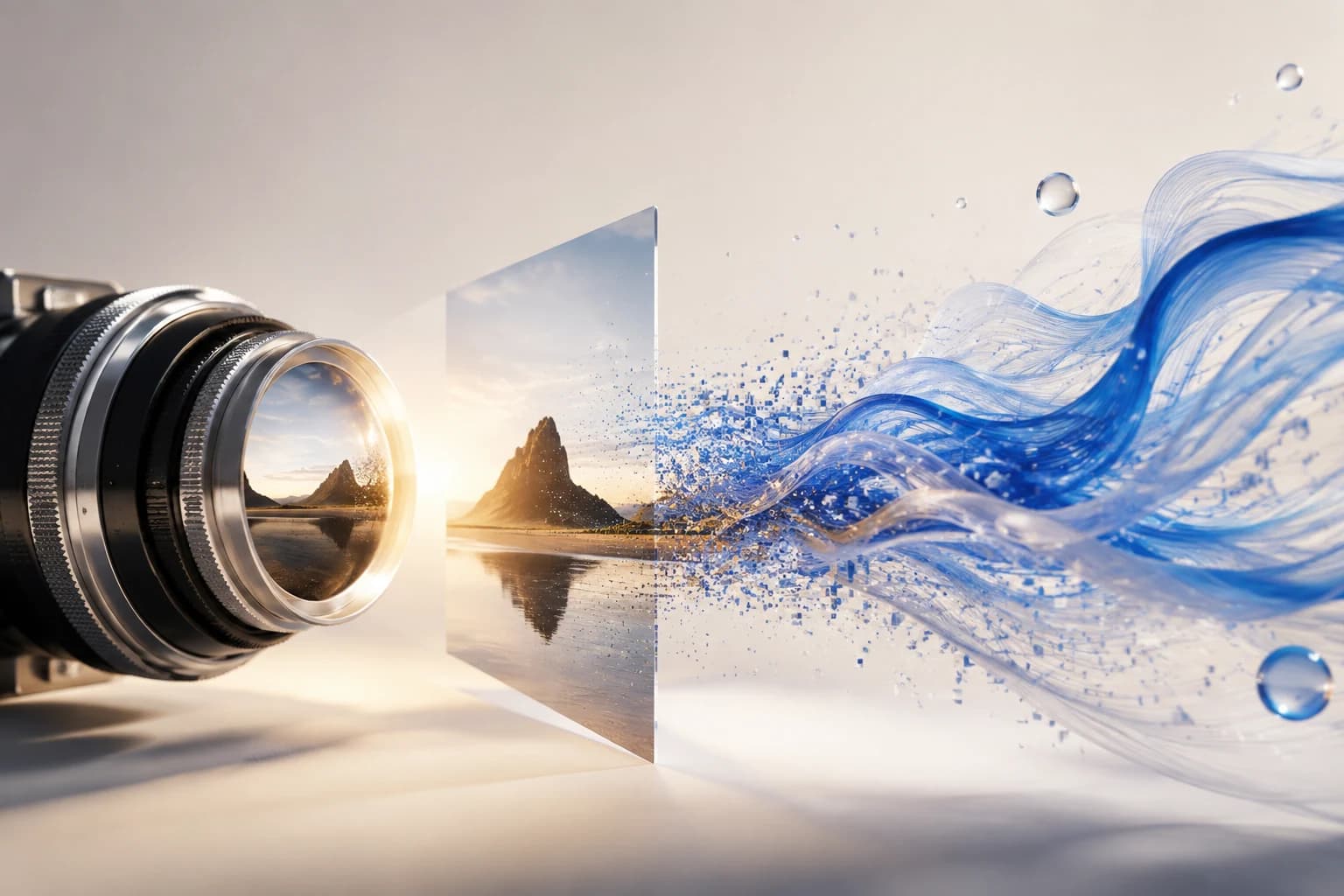
Photography means drawing (Graphy) with light (Photo). Since Joseph Nicéphore Niépce made the first photograph in 1826, its essence remained unchanged for almost two hundred years: an act of proof capturing a subject that truly existed before the lens. Generative AI is now shaking that longstanding definition to its foundations.
1. The death and rebirth of the decisive moment
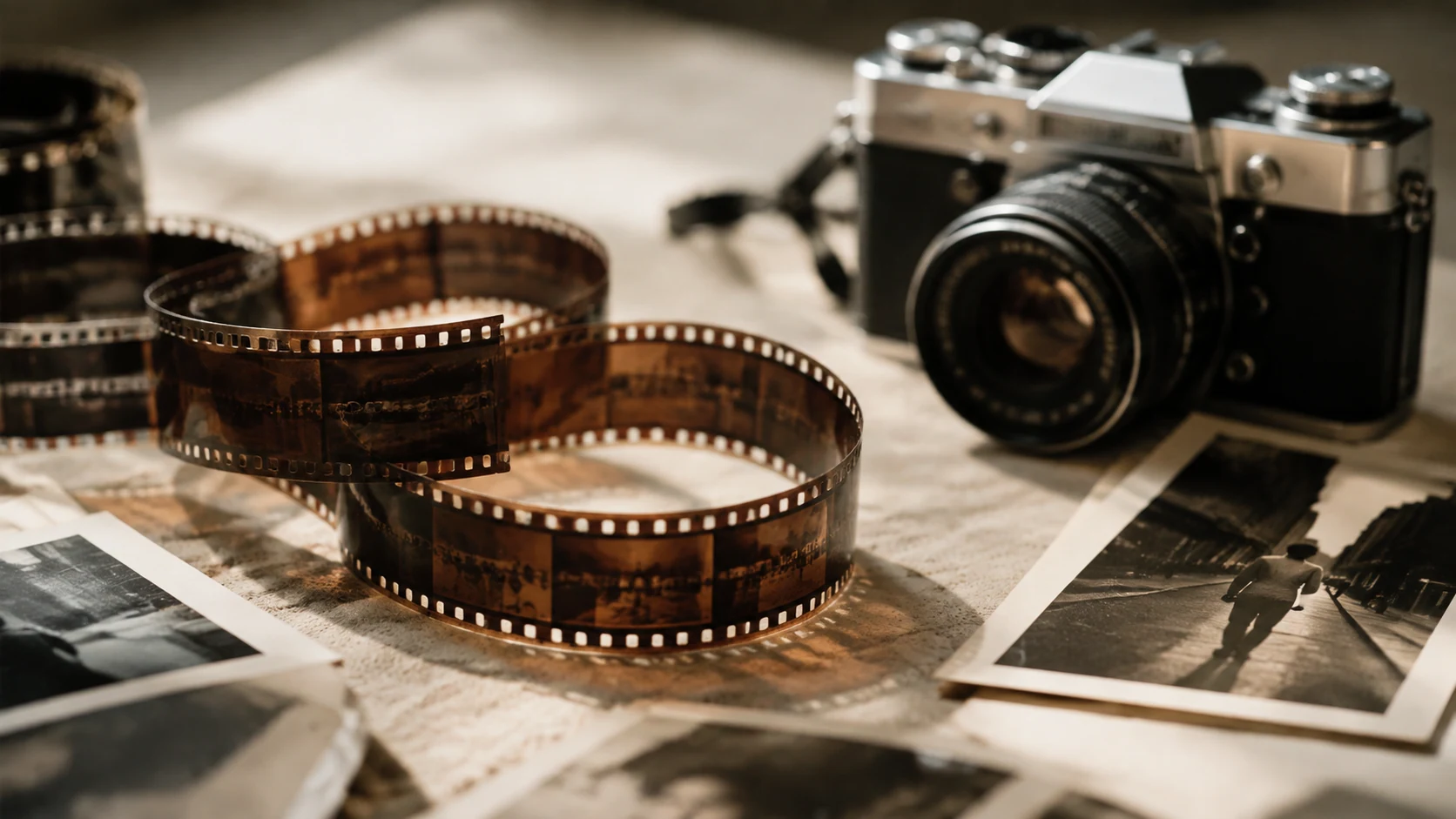
Henri Cartier-Bresson’s The Decisive Moment was the meeting of a photographer’s intuition and a fleeting accident. It was an aesthetics of waiting and a tribute to irreversible time. In the film-camera era, photographers pressed the shutter carefully within the physical limit of thirty-six frames.
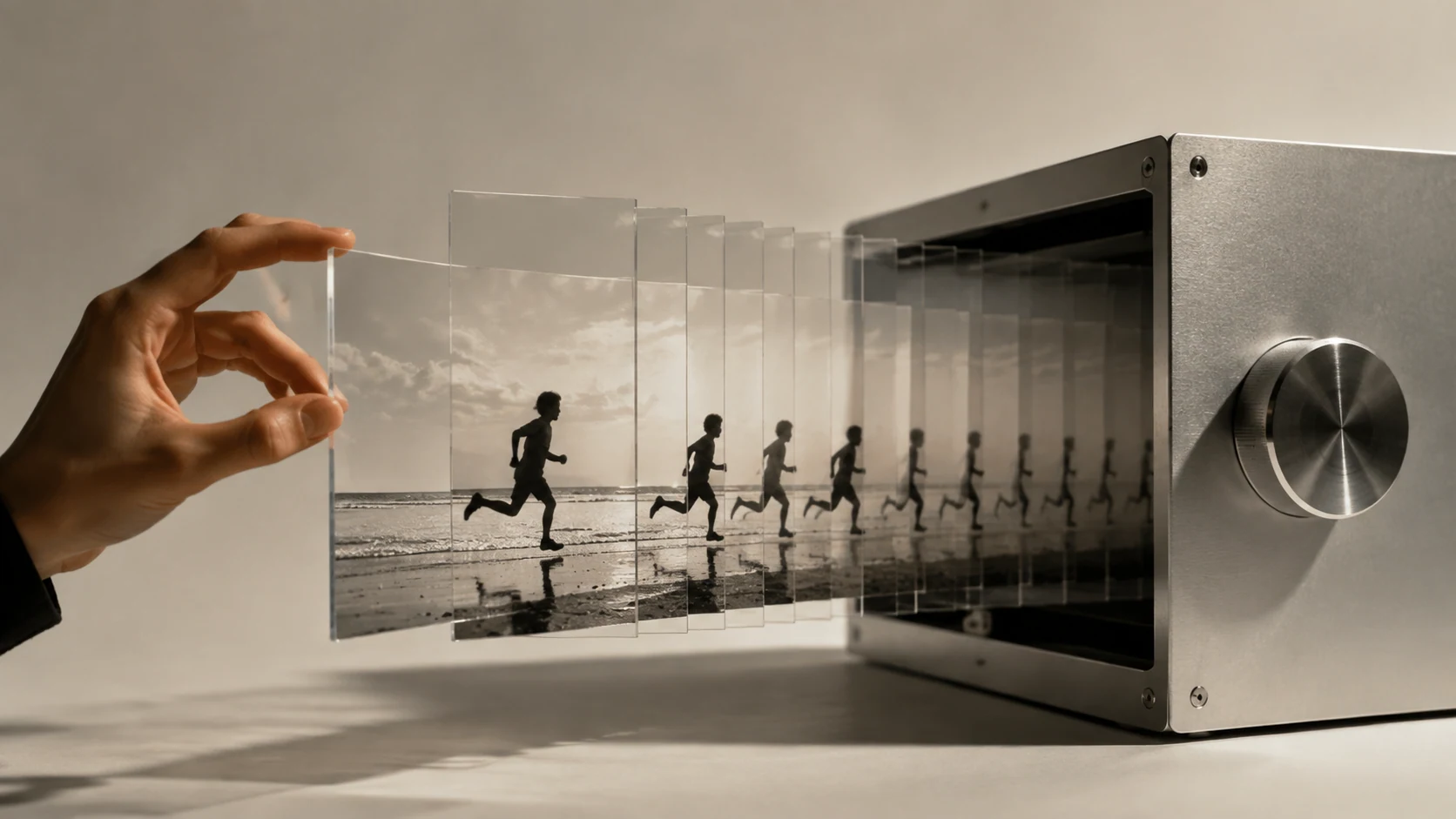
In the age of Midjourney and Stable Diffusion, however, a moment is no longer something to wait for. It has become data material that can be generated, transformed, and repeated infinitely. The decisive moment has shifted from the physical 0.1 seconds of pressing a shutter to the moment of selection: finally finding an image that matches the intention after thousands of Iterations.
Can these truly be regarded as the same art form? Is there an uncrossable river between a landscape found by a photographer on foot and one sculpted in language by a prompt engineer?
2. The crisis of truth: photographing what cannot be seen
“Photographs do not lie. But liars can take photographs.” — Lewis Hine
Photography traditionally had a documentary character: the devastation of war, historical scenes, family memories. We looked at photographs without doubting that something had been there. This is Roland Barthes’s photographic Noeme: that-has-been.
AI images directly reject this Noeme: portraits of nonexistent people and records of events that never happened. We now live in an era when a visible image can no longer automatically be accepted as evidence. This seriously challenges journalism and legal admissibility.
Paradoxically, this loss of truth frees photography from its oppressive duty to record. Photography finally enters the realm of complete abstraction and imagination. Just as nineteenth-century photography relieved painting of realistic depiction and helped it move toward Impressionism and abstraction, AI may release photography from the constraints of representation.
3. Promptography: the birth of a new genre
In 2023, an AI-generated image by Boris Eldagsen won the creative category of the Sony World Photography Awards, provoking major controversy. He refused the award and said, “Photography and AI images are different entities. AI images should be called promptography.”
💡 The New Workflow
- 1. Ideation:The imagination to translate visual language into text
- 2. Generation:A tightrope between randomness (Seed) and control (ControlNet)
- 3. Curation:The eye to choose a single image from hundreds of outputs
Promptography calls for a grounding in language and imagination more than technical mastery of a camera. Engineering thought that calculated light angles and aperture becomes Directing thought that asks which painter’s style, which emotion, and which metaphor to use. Everyone is now a potential artist, but not everyone becomes a great one. As tools become easier, what ultimately differentiates work is the philosophical depth behind what to express.
Conclusion: the aesthetics of coexistence
When film became digital, people also spoke of the death of true photography. Digital technology instead democratized photography and expanded it into a broader art. AI will likely do the same.
The aura of a landscape photograph taken after a strenuous climb to a mountain summit cannot be replaced by an image AI generates in one second. It contains the artist’s pain, time, and breath. Meanwhile, realizing surreal imagination beyond human physical limits is the new horizon AI opens.
We do not need to discard the camera. We have simply added a lens of infinite imagination to the toolbox. Those who see the world through Glass and those who build it through Language do not negate each other. They will resonate, raising different waves in the vast ocean of art.