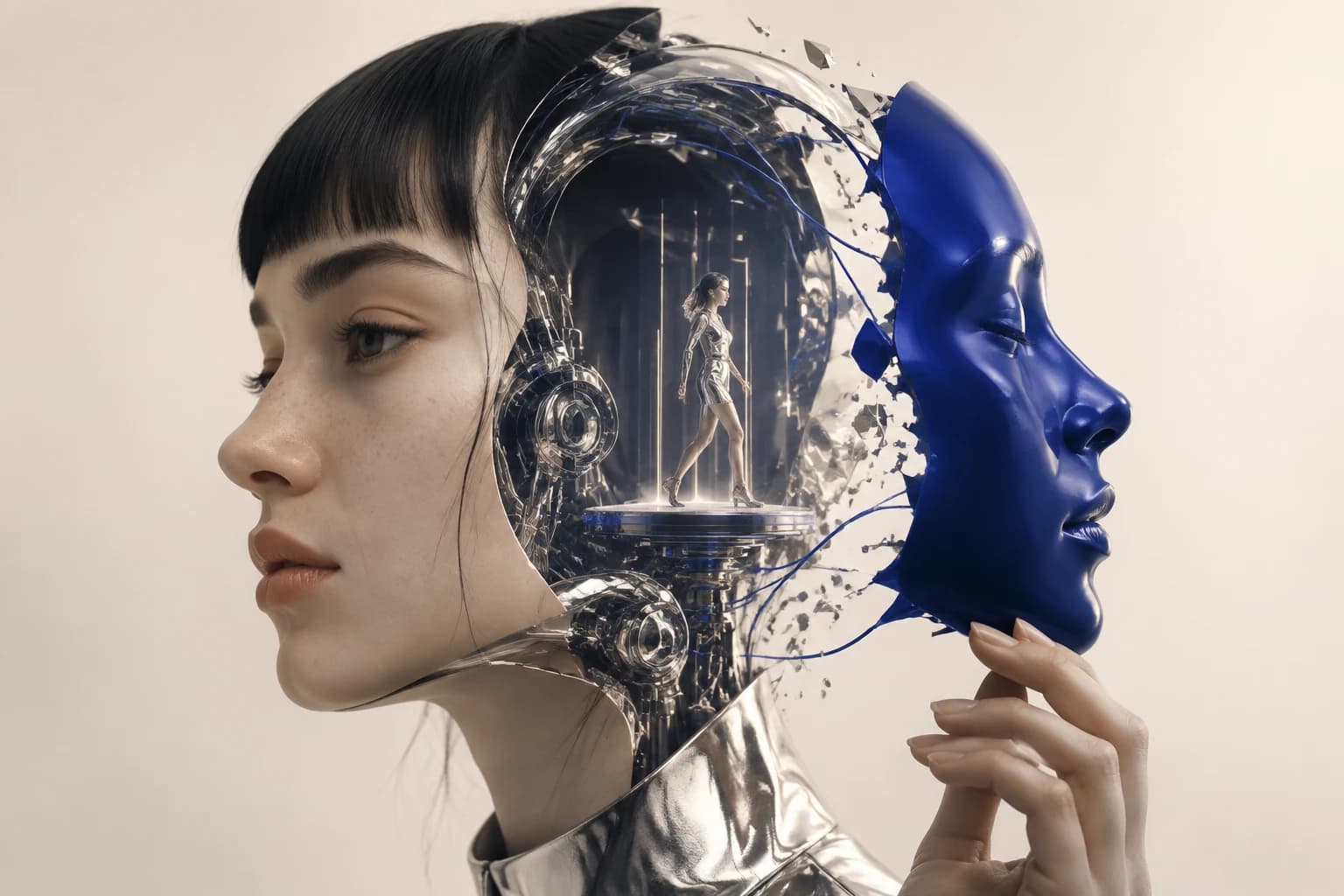
In 2016, a nineteen-year-old Brazilian-American model named Lil Miquela appeared at a fashion party in California: a freckled face, bangs and hip street fashion. She gained 3 million Instagram followers and modeled for Chanel and Prada. Yet she does not exist. She is a mass of code made of zeros and ones. Rozy, Imma, Shudu... the world is now swept up in a virtual-human craze. Only a few years ago, audiences rejected these figures as they languished in the uncanny valley. How did they become celebrities more influential than humans? These digital beings also ask us a philosophical question: what is a human being?
1. The Fluidity of Identity: Liquid Identity
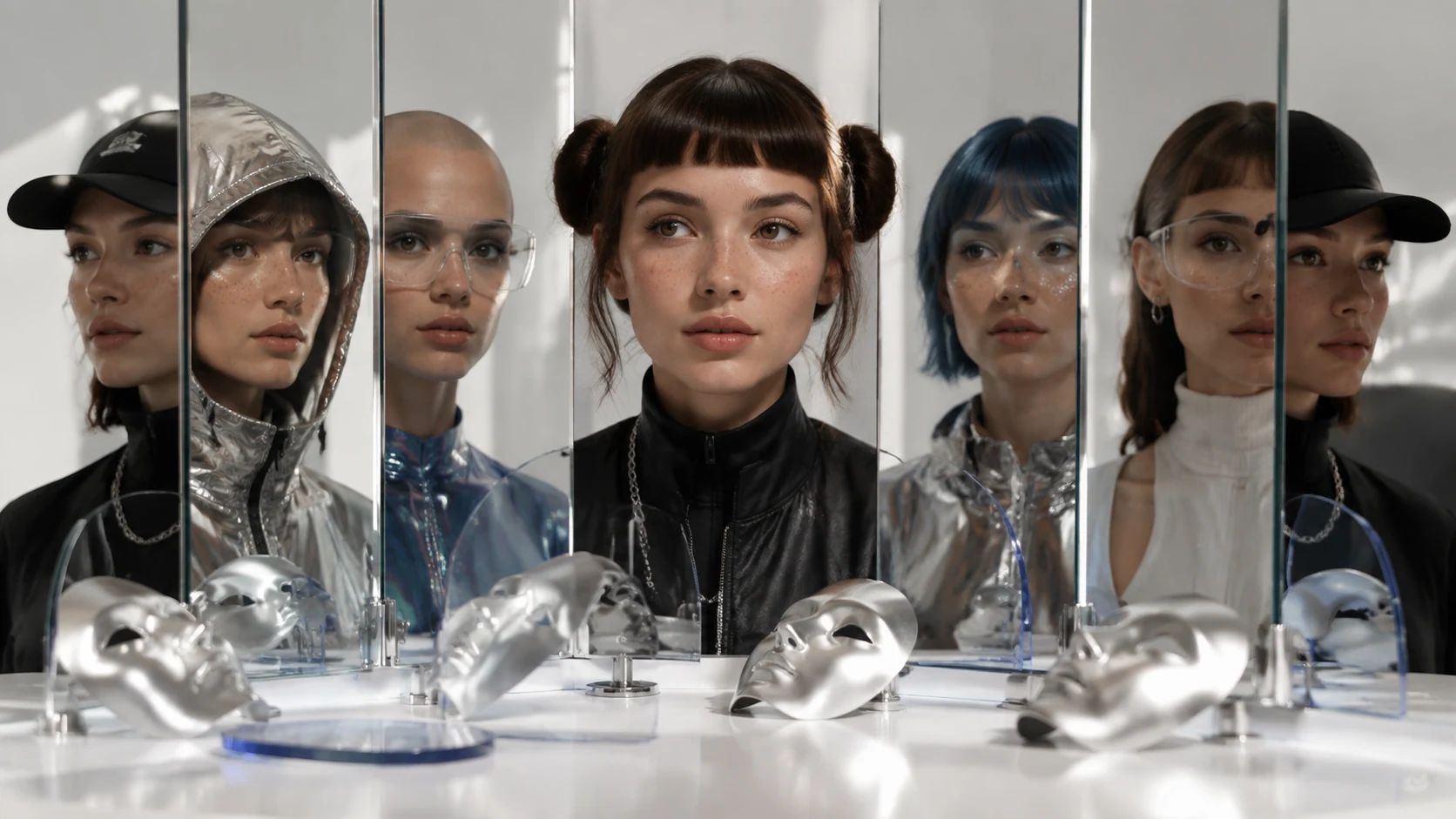
Zygmunt Bauman defined contemporary society as liquid modernity: nothing stays fixed; everything flows continually. Digital personas crystallize this concept. Real humans are confined in the prison of the body. We cannot change the sex, ethnicity or appearance we are born with, or must pay an enormous price to do so. Within the metaverse, however, identity becomes something replaceable like an accessory.
Virtual influencers never age. They do not know fatigue or commit scandals or crimes—provided, of course, that their operators do not make mistakes. Lil Miquela is a musician and model, and also a social activist. A/B testing updates her identity in real time into the form audiences most prefer. This suggests that the self is no longer something essential within, but a performance constructed by external demands. We have entered an age of asking not ‘Who am I?’ but ‘Who do I want to appear to be today?’
2. The Violence of Perfection and Flaw Marketing
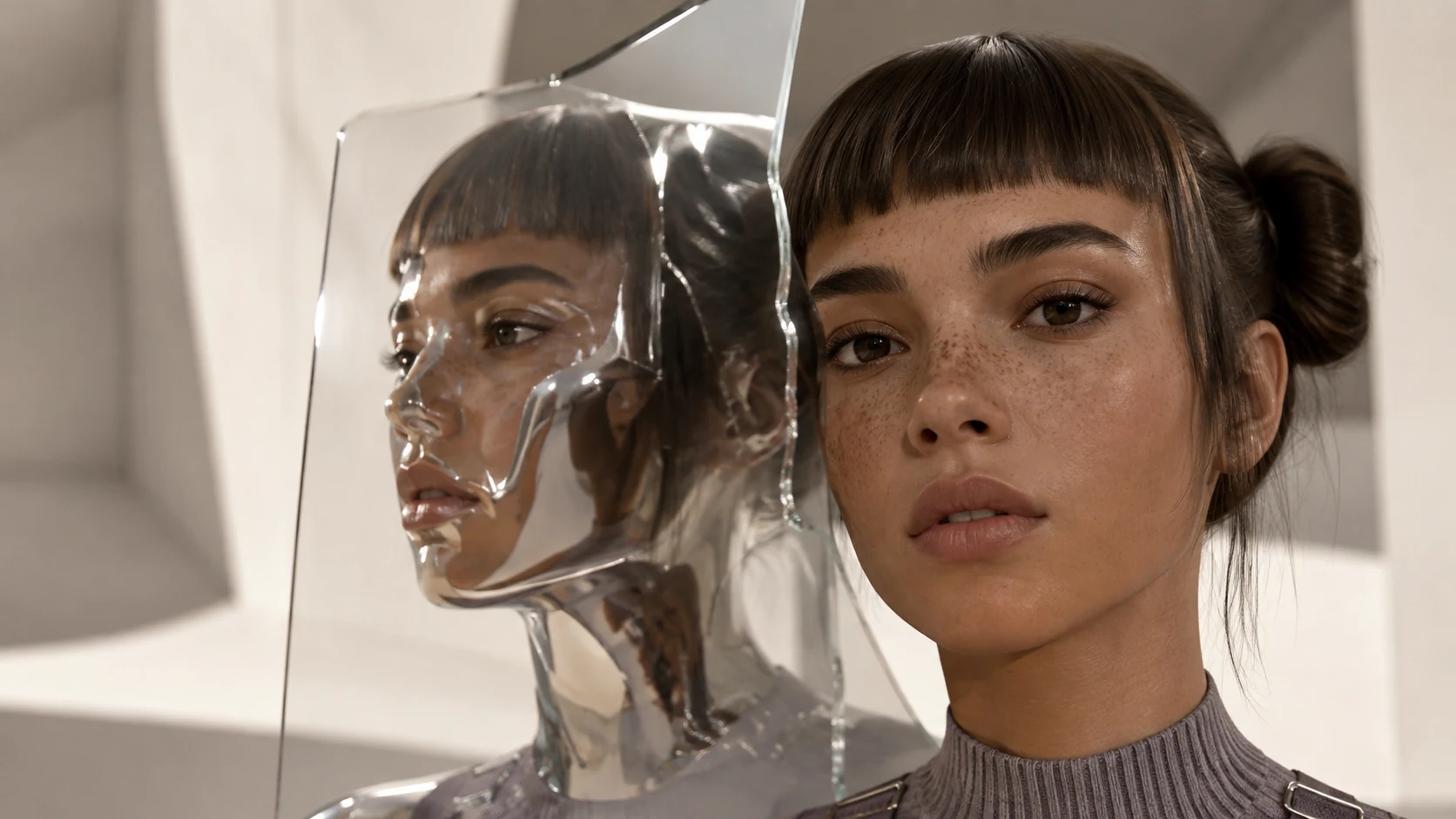
Social media is inherently a space for edited selves. We share only our happiest moments and most flattering photographs. Virtual influencers take this compulsive editing to its extreme. Their skin has no pores, their proportions follow the golden ratio and their lives are luxurious. This hyper-realistic perfection leaves humans feeling deprived. An algorithmic standard of beauty that no effort can reach makes real bodies seem inadequate.
Interestingly, when this perfection was criticized as inhuman, creators began deliberately introducing flaws. Lil Miquela has a slight gap between her teeth—diastema—and abundant freckles. They stage virtual characters making mistakes and feeling depressed to invite human empathy, even posting about grief after breaking up with a boyfriend. The artificial imitates genuine suffering to be loved: an irony. Is this sophisticated marketing or emotional deception?
3. Friends for the AI-Native Generation
Virtual beings are not unfamiliar to Generation Alpha. Born with iPads in hand, they make friends in Roblox and find conversations with AI chatbots natural. Whether a friend has a physical existence is not what matters to them. Interaction and emotional connection do.
Virtual influencers are moving beyond image modeling to combine with next-generation AI. They can hold individual conversations with millions of fans simultaneously: a perfect friend who calls me by name and remembers my worries. Samantha from <Her> has taken visual form and come to our side. This can comfort lonely people today, but also risks accelerating the breakdown of real relationships. Rather than uncomfortable, conflicting genuine relationships, we may become addicted to algorithmic ones that always adapt to us.
"Digital personas are mirrors. They reflect humanity’s narcissistic longing for eternal youth and perfection. We made them, but now they are defining us."